Rotator cuff and shoulder pain
Tendon injury, weakness, bursitis, impingement and pain affecting sleep, work or overhead activity.
Shoulder, elbow, wrist and hand
Orthopaedic assessment and treatment for shoulder, elbow, wrist and hand conditions, with physiotherapy, imaging and rehabilitation connected around the same goals.
A referral is generally required for an orthopaedic appointment. Physiotherapy and other allied health services can generally be booked directly.
How the pathway can work
The first appointment depends on the injury, symptoms, referral status and goals. The wider team can be added as the clinical question changes.
Orthopaedic assessment for diagnosis and a clear explanation of the problem, covering non-operative management and surgery where it is warranted. A current referral is generally required.
Direct assessment, symptom management and rehabilitation, either as a first step or alongside specialist care.
Explore physiotherapy →Whichever way you start, on-site X-ray and ultrasound, exercise rehabilitation and nursing care connect to the same plan rather than being a separate referral.

Specialist depth for decisions that need it
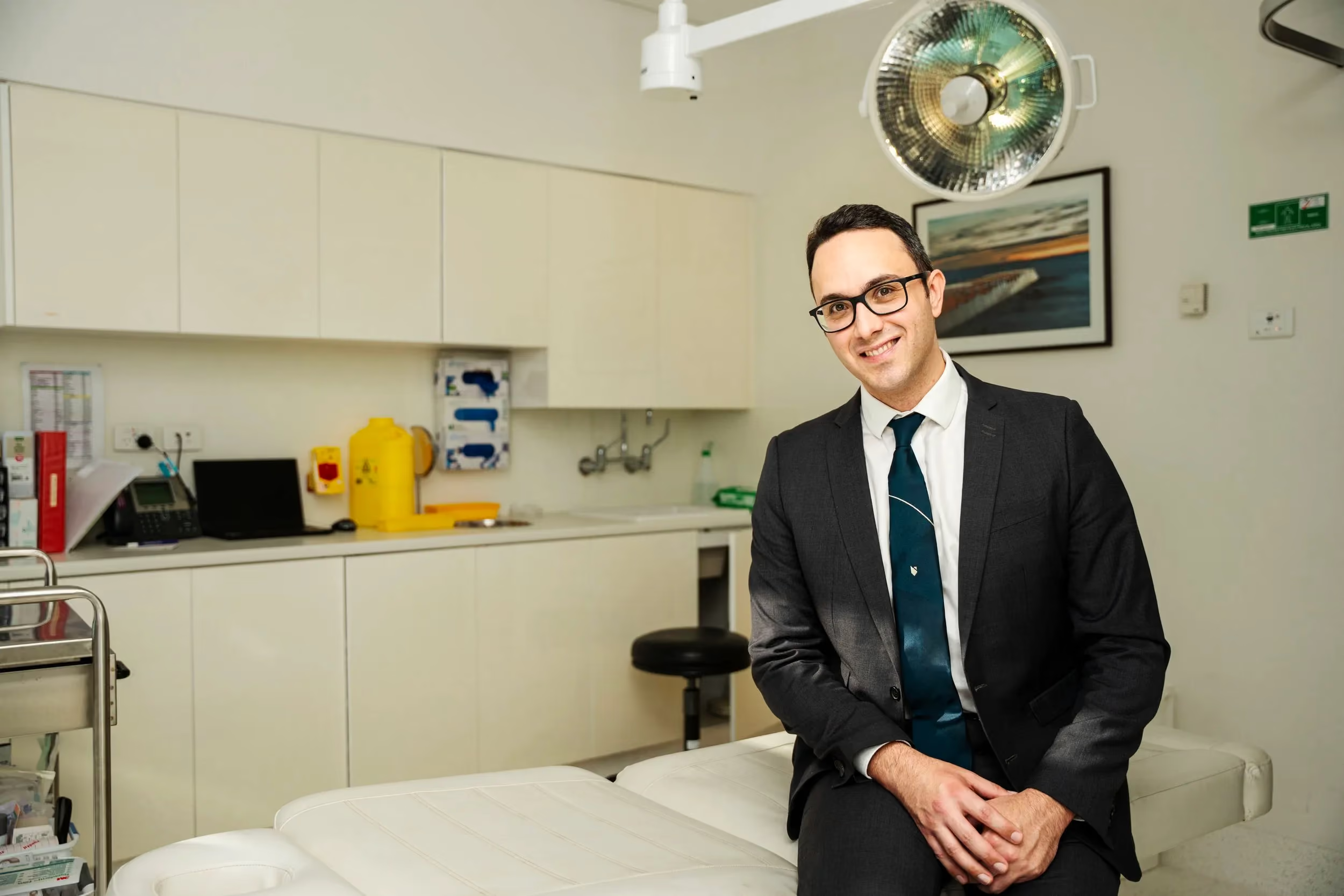
Dr Dannaway provides orthopaedic assessment and treatment across the shoulder, elbow, wrist and hand. His earlier career in physiotherapy informs a practical approach to both non-operative care and surgery.
View Dr Dannaway's profile →Conditions we assess and treat
Assessment considers the diagnosis, function, goals and whether non-operative care, further investigation or specialist treatment is appropriate.
Tendon injury, weakness, bursitis, impingement and pain affecting sleep, work or overhead activity.
Progressive pain and stiffness that can make dressing, reaching and daily movement difficult.
Joint degeneration, recurrent dislocation, labral injury and symptoms following trauma.
Tennis elbow, golfer's elbow, bursitis, arthritis, tendon injury and ulnar nerve symptoms.
Numbness, tingling, weakness and pain associated with nerve irritation or compression.
Sprains, tendon problems, ganglion cysts, trigger finger, arthritis and hand deformity.
Assessment and treatment planning for suitable fractures of the shoulder, elbow, wrist and hand.
Acute and overuse injuries with a coordinated pathway back to meaningful movement.
Wrap-around care, on site
A shoulder, elbow, wrist or hand problem is rarely settled in one consultation. Imaging, hands-on rehabilitation and the surgical decision sit in the same building and talk to each other, so a scan does not mean a second trip across town and a rehabilitation plan does not start from scratch.
 Kat ChounlamountrySenior Physiotherapist
 Matthew CoxSenior Physiotherapist
 Mikayla MoranMSK Sonographer
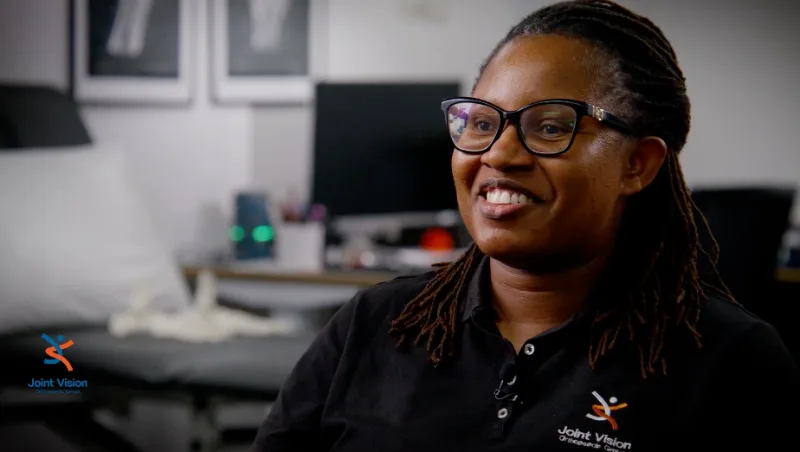 Brenda MavundukureRadiographer
On-site X-ray and musculoskeletal ultrasound, physiotherapy and specialist review are all part of the same pathway. See the full team or read more about imaging and investigations.
One plan
Clinical assessment begins with the practitioner best suited to the symptoms and referral status.
X-ray or ultrasound may be added when it is likely to change diagnosis or management.
Non-operative care, injections, procedures or surgery are discussed in the context of the patient's goals.
Physiotherapy, exercise rehabilitation, nursing and follow-up remain connected to the plan.
Your next step
The patient services team can also help when the right starting point is not clear.