
Sport & injury
Preventative Strategies to Avoid Common Sports Injuries
What actually drives sports injuries, and the training load, warm-up, strength, flexibility and recovery habits that reduce the risk of them.
Back to Insights
July 3, 2025
Written by
Joint Vision
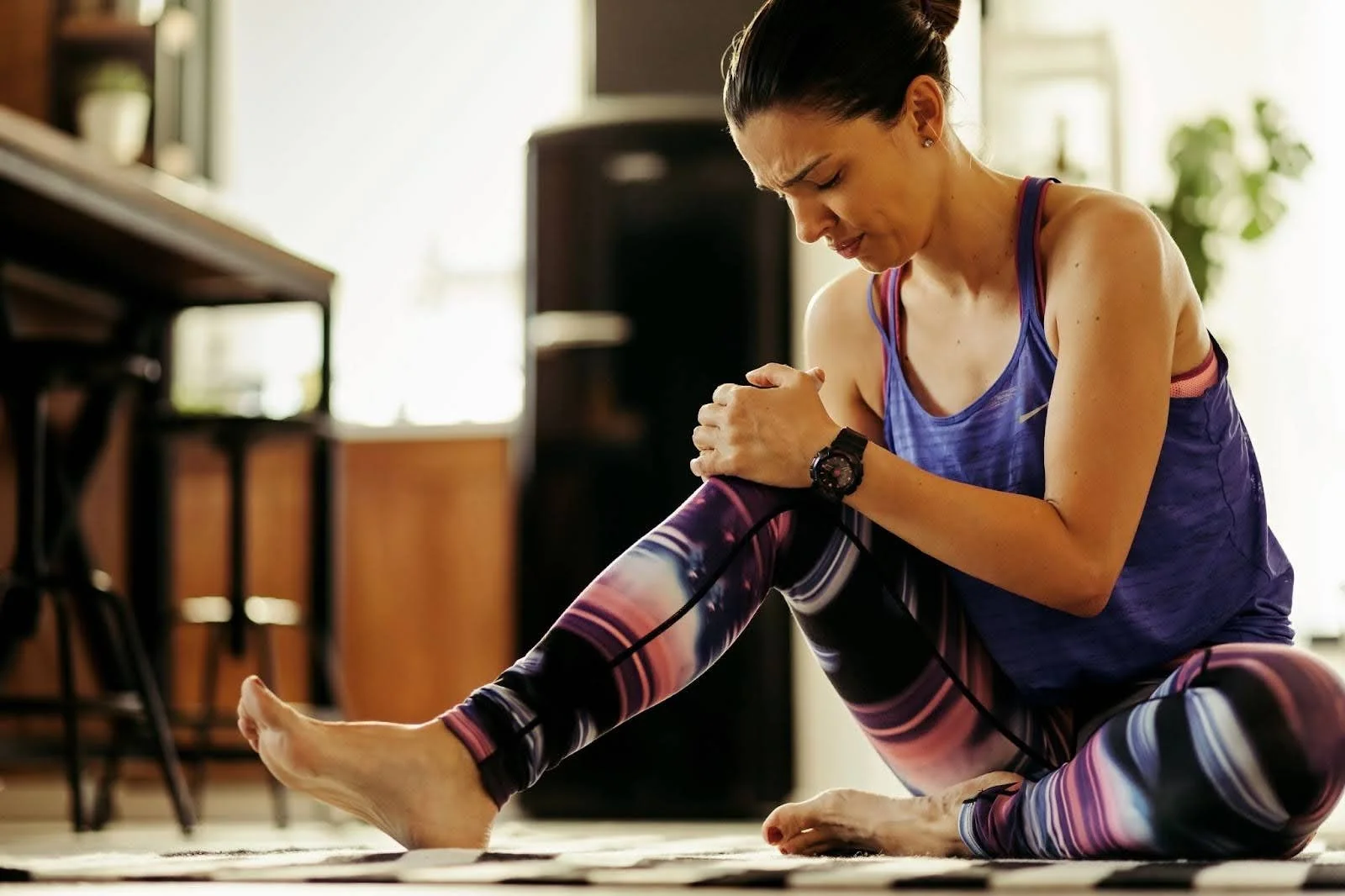
Whether you are a weekend jogger, a school athlete or a seasoned sportsperson, injury disrupts more than training. It carries physical, emotional and often financial cost. Much of that disruption is preventable.
What causes sports injuries
Sports injuries can happen suddenly or build over time. Common contributors include:
- Overuse and repetitive load, especially in endurance sports or repeated movement patterns.
- Technique and biomechanics, often affected by fatigue or underlying musculoskeletal imbalance.
- Insufficient strength and conditioning, leaving inadequate muscular support around joints.
- Limited flexibility and mobility, which increases strain on muscles and tendons.
- Inadequate warm-up or cool-down.
- Unsuitable equipment or surfaces, such as worn-out shoes or uneven playing fields.
Train smarter, not just harder
Rapid escalation of training load without recovery is a key driver of injury.
- Increase intensity, volume or load gradually rather than in large jumps.
- Use periodisation, including lighter weeks that allow tissue to adapt.
- Track training load, using a wearable or a simple session rating of perceived exertion, and adjust when fatigue accumulates.
Warm-up and mobility
A warm-up is a physiological and neurological primer, not a formality. A good one includes:
- Five to ten minutes of light cardiovascular work, such as a brisk walk, light jog or skipping, to raise core temperature and circulation.
- Dynamic stretching, such as leg swings, hip circles, high knees and arm rotations, to activate key muscle groups and improve joint mobility.
- Sport-specific drills that mimic game movements, sharpening coordination and reaction time.
Strength and conditioning
Muscles, tendons and ligaments act as shock absorbers. Strengthening them helps tissue tolerate repeated load and sudden force. Useful areas of focus include:
- Lower limb strength: squats, lunges and glute bridges to support the knee and hip.
- Core stability: anti-rotation and postural work such as planks and dead bugs.
- Eccentric training: slow-lowering movements that build tendon resilience, for example Nordic hamstring curls.
- Plyometrics: for joint stability and control, particularly in jumping sports.
Flexibility
Restricted muscle length reduces range of motion and forces compensation from surrounding structures. Useful habits include dynamic stretching before exercise, static stretching afterwards, and foam rolling or mobility work between sessions.
Recovery
Recovery is where adaptation happens. Without adequate rest and replenishment, tissue remains under stress.
- Sleep. Aim for seven to nine hours, when much of the body's repair and hormonal regulation occurs.
- Hydration and nutrition. Adequate protein for tissue repair, calcium and vitamin D for bone health, and omega-3 fatty acids.
- Active rest. Low-intensity movement such as walking, light cycling or swimming to maintain circulation without added load.
- Soft tissue work. Foam rolling, sports massage and related techniques to manage tension and support recovery.
If you do get injured
Despite precautions, injuries still happen. The Fracture and Injury Clinic offers prompt assessment with on-site digital X-ray and ultrasound, followed by a treatment plan.
A prevention checklist
- Training load: gradual, consistent and tracked.
- Warm-up: always, and tailored to your sport.
- Strength: lower limb, core stability and eccentric control.
- Technique: regular form checks and biomechanical assessment.
- Flexibility: daily mobility work.
- Equipment: maintained gear and sport-appropriate footwear.
- Recovery: sleep, nutrition and active rest days.
- Mental load: stress management and genuine rest to prevent burnout.
You can read about the Fracture and Injury Clinic, physiotherapy or exercise physiology.
Information on this website is general and may not apply to your circumstances. It does not replace individual clinical advice. If you have a health concern, use the relevant care pathway or speak with a qualified health professional. Seek urgent help for severe or rapidly worsening symptoms or a possible emergency.
What to do next