Research & JVORI
Moving Forward Through Research: Inside the Work of JVORI
Dr Diane Harland explains the purpose and work of the Joint Vision Orthopaedic Research Institute, and how musculoskeletal research translates into better care for patients.
Back to Insights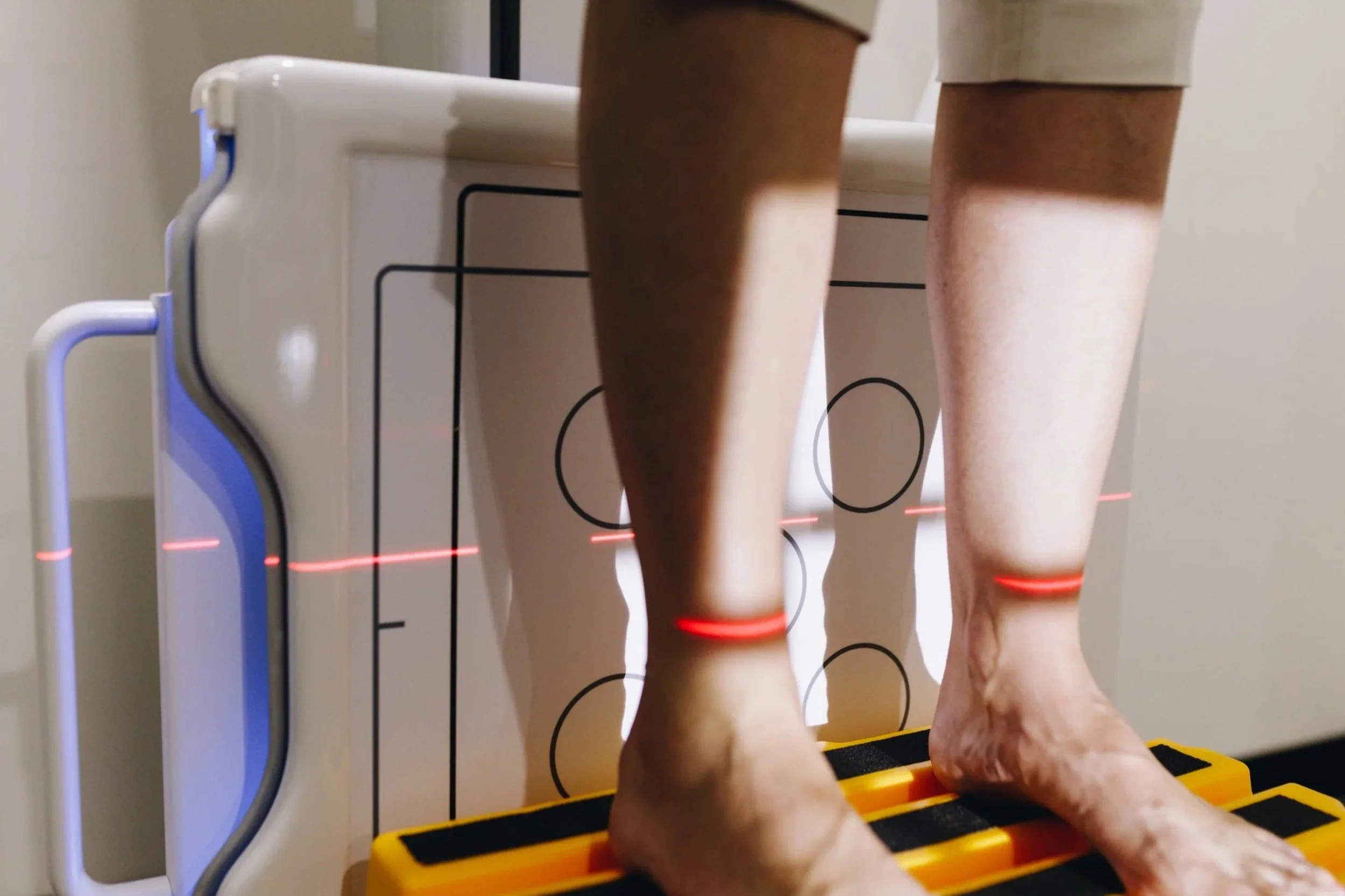
November 24, 2025
Written by
Joint Vision
Behind every recovery there is science that makes movement possible, and at the centre of that science is the Joint Vision Orthopaedic Research Institute (JVORI).
JVORI is a not-for-profit musculoskeletal research institute founded to bridge clinical expertise with research innovation. Its work is intended to help patients recover better, support clinicians in making stronger decisions, and give the community access to more personalised care.
We sat down with Dr Diane Harland (PhD), a researcher within JVORI, to learn more about the institute's purpose, impact and direction.
What is JVORI?
A group of scientists and clinicians who are experts in musculoskeletal research and innovation. We collaborate to advance knowledge of condition treatment and patient care, and to share findings for the benefit of local, national and global communities.
JVORI was founded by Joint Vision Orthopaedic Group. How does that connection enhance your work?
It brings together clinicians and scientists with a shared interest in patient outcomes and quality of life, and establishes a formal partnership where evidence-based research can be translated into clinical practice.
Joint Vision provides equipment and a multidisciplinary team capable of supporting a high-quality research program. The partnership also encourages daily interaction between clinicians and researchers, which allows us to identify complex practice issues and systematically investigate solutions.
What gap does JVORI exist to fill?
Musculoskeletal lower-limb problems cost the Australian healthcare system a substantial amount each year and are a major cause of disability. By analysing these disorders we aim to reduce unnecessary expenditure and promote preventive techniques.
Creating a not-for-profit research institute allows us to embed the patient perspective into care and investigate the most effective treatment pathways. We also maintain a musculoskeletal data registry intended to improve diagnosis and outcomes, with strict confidentiality and de-identification of all research data.
What does bridging clinical practice with research innovation mean in practice?
Placing clinicians and researchers together allows constant sharing of insights into patient care. We can question current strategies, investigate challenges and influence routine healthcare delivery more quickly.
Joint Vision also collaborates with orthopaedic technology companies to refine surgical implants or develop solutions tailored to individual patient needs. Large-scale data analysis helps identify patterns and predictors that support more personalised care.
How does your research improve patient outcomes?
By taking a patient-centred approach and understanding the whole patient, research findings can help surgeons match implants and procedures to a patient's characteristics. Our musculoskeletal data registry also helps identify which patients benefit most from devices such as orthoses, supporting more effective prescription and fabrication.
Why is musculoskeletal research so important in the Illawarra?
The Illawarra includes people of all ages who enjoy sport, recreation and active coastal living, which means injuries happen. Researching these injuries and treatment options improves clinical outcomes, reduces pressure on the healthcare system and supports prevention. That helps people return to work, activity and quality of life sooner.
How does research comparing treatment pathways help clinicians?
Every patient is unique. Up-to-date, evidence-based information helps clinicians guide patients toward the treatment pathway most likely to succeed for them. Findings drawn from large datasets give clinicians a clearer overall picture and help match the right approach to the right patient.
What excites you most about JVORI's current research?
We are conducting high-quality research with the potential to improve patients' lives, and we mentor and supervise emerging practitioners and researchers, helping shape the next generation of experts in orthopaedics.
Where do you see JVORI in five years?
More research, broader dissemination of findings, and improved outcomes for patients across the region. Success means asking the right questions and systematically discovering the answers that make a meaningful difference.
One message about JVORI
We exist to provide evidence-based information that supports exceptional medical practice and ultimately leads to the best outcomes for patients.
You can read more about the institute on the Research and JVORI page.
Information on this website is general and may not apply to your circumstances. It does not replace individual clinical advice. If you have a health concern, use the relevant care pathway or speak with a qualified health professional. Seek urgent help for severe or rapidly worsening symptoms or a possible emergency.
What to do next